About the author
Cornelia Grabmeier

Ever felt a sudden rush of heat that seems to come out of nowhere? Hot flashes are a common experience, particularly during menopause, but they can occur for a variety of reasons. From understanding the symptoms to exploring practical management strategies, here's what you need to know about hot flashes.
A hot flash is a sudden feeling of intense warmth that spreads through the body, most commonly affecting the face, neck, and chest. During a hot flash, you may experience:
Flushed, red, or blotchy skin
Sweating, particularly on the upper body
Rapid or pounding heartbeat
Chills or feeling cold after the hot flash passes
Anxiety or a sense of unease
Night sweats (hot flashes that occur during sleep)
Sleep disturbances caused by nighttime hot flashes
Difficulty concentrating or fatigue due to disrupted sleep
Hot flashes vary from person to person, but most people experience them daily. Each episode typically lasts between 1 and 5 minutes.
Although hot flashes are commonly linked to menopause other lifestyle factors can also trigger them. Understanding the underlying cause is important for finding the most effective way to manage them.
Source: Mayo Clinic, 2025
Hormonal changes, particularly declining oestrogen levels during menopause, are the most common cause of hot flashes. These changes can affect the body's temperature regulation system, leading to sudden feelings of heat.
However, hormonal changes are not the only cause. Other potential triggers include:
Hot weather or warm environments
Overheating during exercise
Wearing heavy or restrictive clothing
Caffeinated drinks, such as coffee and tea
Alcohol consumption
Spicy foods
Stress, anxiety, or strong emotions
Hot drinks
Hot showers or baths
Smoking
Anyone experiencing persistent or unexplained hot flashes should consider discussing their symptoms with a healthcare professional.
Source: Cleveland Clinic, 2024
While hot flashes are common, they don't have to disrupt your daily life. Understanding your triggers and making small lifestyle changes can help reduce the frequency and severity of symptoms.
Some strategies that may help include:
Keeping your home cool
Dressing in lightweight, breathable layers
Exercising regularly in a cool environment
Maintaining a healthy weight
Some people find that foods rich in phytoestrogens (plant-based compounds with oestrogen-like effects) may help reduce hot flashes. Examples include soybeans, chickpeas, lentils, flaxseed, grains, and beans
Avoiding smoking and limiting alcohol intake
Drink cold beverages
Cool compresses can help when a hot flash strikes
Managing stress through relaxation techniques, yoga, or meditation
Night-time hot flashes can disrupt sleep and affect your quality of life. In addition to the strategies above, the following tips may help minimise their impact:
Use light breathable sheets instead of heavier blankets
Keeping your bedroom cool (using a fan, or opening a window when possible)
Wear loose-fitting sleepwear
Keep a glass of cold water by the bed
If lifestyle changes are not enough, medical treatments may also be available. Depending on the cause of your symptoms, a healthcare provider may recommend hormone replacement therapy (HRT), non-hormonal treatment options, or other over-the-counter therapies..
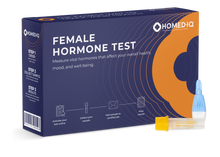
If you're experiencing frequent or severe hot flashes, it may be worth exploring whether hormonal changes are contributing to your symptoms. At-home hormone testing, such as Homed-IQ’s Menopause test, can provide valuable information about your health and may support conversations with your healthcare provider.
Source: Cleveland Clinic, 2024
In many cases, hot flashes are a normal response to hormonal changes during menopause and are not a cause for concern. However, persistent or unexplained hot flashes can occasionally be linked to underlying health conditions, such as thyroid disorders or nfections.
You should consider consulting a healthcare professional if hot flashes are severe, start suddenly without an obvious cause, are accompanied by unexplained weight loss, fever, or other concerning symptoms, or significantly affect your quality of life. A medical assessment can help determine whether further investigation is needed.
Source: Cleveland Clinic, 2024
Yes. Several medical treatments may help manage hot flashes, depending on the underlying cause and individual circumstances.
Hormone replacement therapy (HRT) is one of the most effective treatments for menopause-related hot flashes. It works by replacing declining hormone levels and may also help relieve other menopause symptoms. Depending on your medical history, HRT may include oestrogen alone or a combination of oestrogen and progesterone.
For people who cannot or prefer not to use hormones, non-hormonal prescription medications may also be effective. These include certain antidepressants, gabapentin, oxybutynin, and newer medications such as fezolinetant and elinzanetant, which are specifically designed to target hot flashes.
Some people also try over-the-counter or natural remedies, such as soy products, black cohosh, evening primrose oil, or vitamin E. However, evidence supporting their effectiveness is limited.
The most appropriate treatment will depend on your overall health, medical history, and the cause of your hot flashes. Speaking with a healthcare professional can help you explore the options that are best suited to your needs.
Source: Cleveland Clinic, 2024
At-home testing with laboratory accuracy
Our medical laboratories operate according to strict European quality standards. All tests are analysed by ISO-certified partner labs, giving you reliable and professional results. With the comfort of your home.